
Our goal is the strengthening of the dialogue between polar research and Greenlandic communities by making cave and palaeoclimate research accessible, inclusive and locally relevant, while fostering long-term engagement and participation.
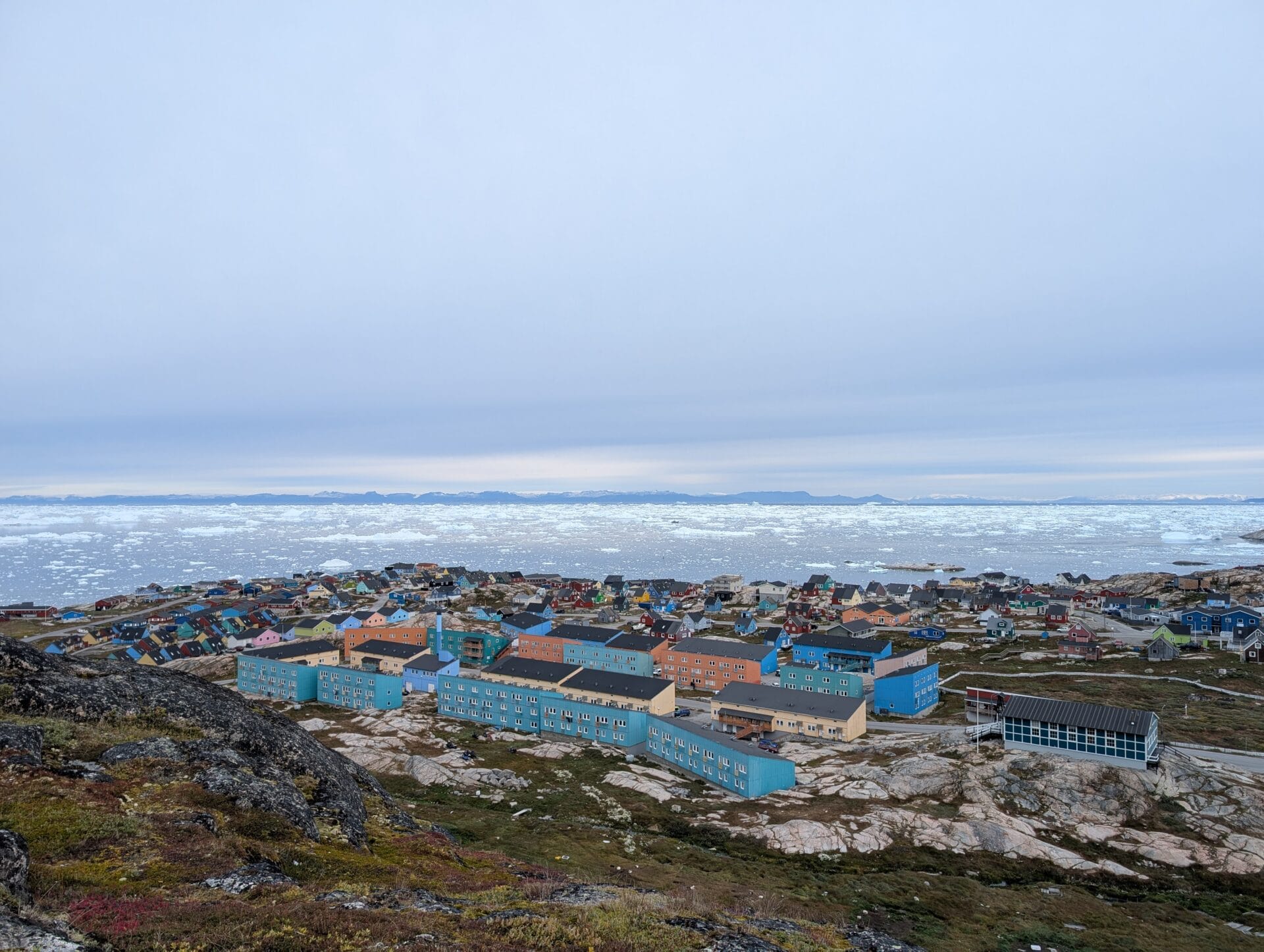
Scientific research in the polar regions is essential for understanding environmental and climatic change, yet it often takes place far from public view. In Greenland, where climate change directly affects local communities – such as making hunting and travel more difficult due to diminishing sea ice – science communication plays a crucial role in fostering trust, transparency and collaboration. The “Kalaallit Nunaat Caves and Climate Outreach Project” (KINDLE) was developed to connect palaeoclimate and cave research with Greenlandic society through inclusive and dialogue-based outreach.
Why Science Communication Matters in Polar Research
Polar research provides key insights into past, present and future climate dynamics, yet its societal relevance depends strongly on how research findings are communicated. In regions such as Greenland, scientific work is closely intertwined with lived experience, as environmental change affects infrastructure, livelihoods and cultural practices.
Greenland’s National Research Strategy highlights the importance of inclusive research approaches that actively involve Greenlanders and respect local perspectives. Within this framework, science communication is not an add-on but a core component of responsible research practice. Effective communication can strengthen mutual understanding, build trust between researchers and communities, and support long-term collaboration.
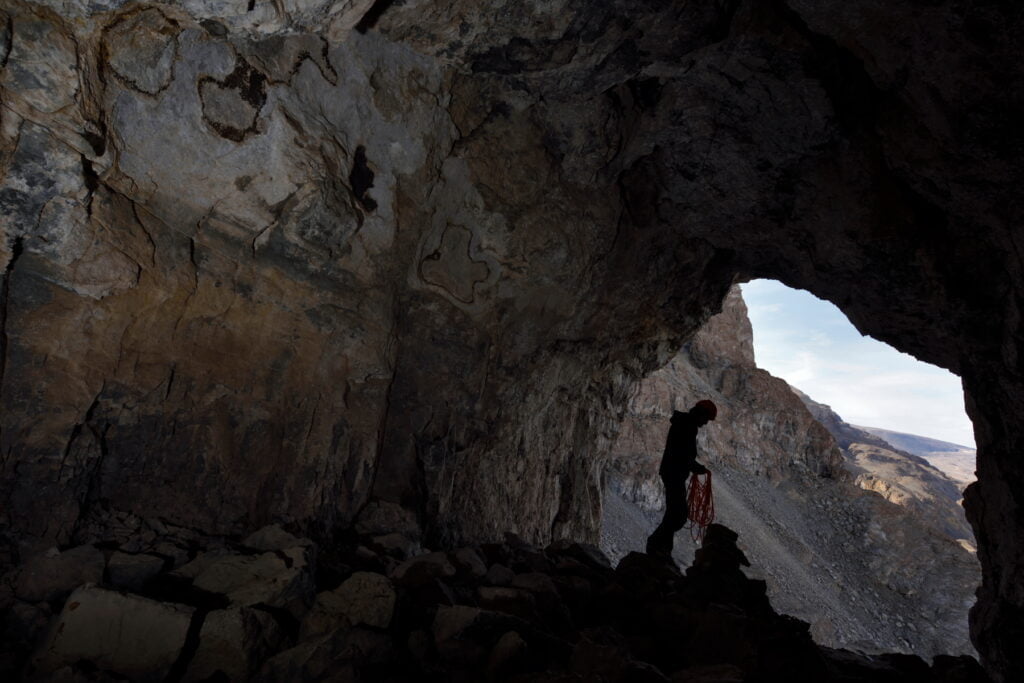
KINDLE addresses this need in the context of cave and palaeoclimate research in northern Greenland. While Greenland’s cave systems represent valuable scientific archives of past climate variability, they remain largely unknown outside the research community.
The KINDLE Project: From Research to Outreach
KINDLE is a science communication and outreach initiative linked to the Greenland Caves Project, which investigates caves and their palaeoclimate archives in northern Greenland.
The short-term objective of KINDLE was to introduce Greenlandic audiences to these remote yet scientifically important cave systems and to communicate ongoing research in accessible formats. Beyond this, the project pursues a longer-term vision: to encourage sustained local engagement, build knowledge and interest, and ultimately support Greenlanders in actively participating in – and potentially leading – future cave exploration and research activities.
Outreach Activities at the ILLU Science & Art Hub
The outreach programme was implemented in collaboration with the ILLU Science & Art Hub in Ilulissat, operated by the University of Bergen and embedded within the Climate Narratives initiative.
A central element was an interactive exhibition presenting cave research, palaeoclimate archives and the logistical realities of scientific work in northern Greenland. Visual materials, models and explanatory elements enabled visitors to explore complex scientific topics in an intuitive and self-directed way. The open-house concept of the venue encouraged direct exchange between researchers and the public, creating space for discussion and feedback beyond conventional academic formats.
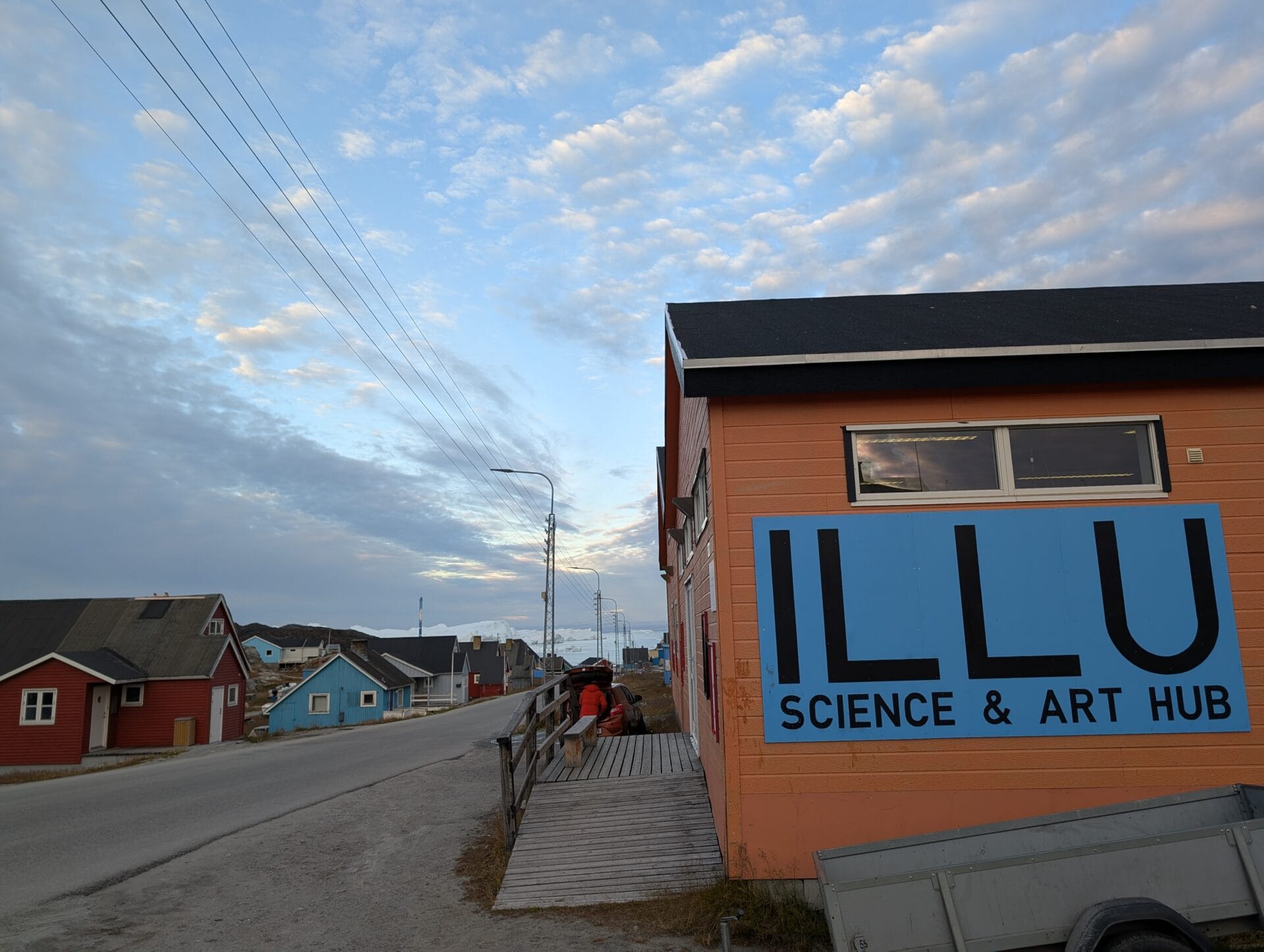
ILLU Science & Art Hub in Ilulissat, Greenland. (© Gina Moseley)
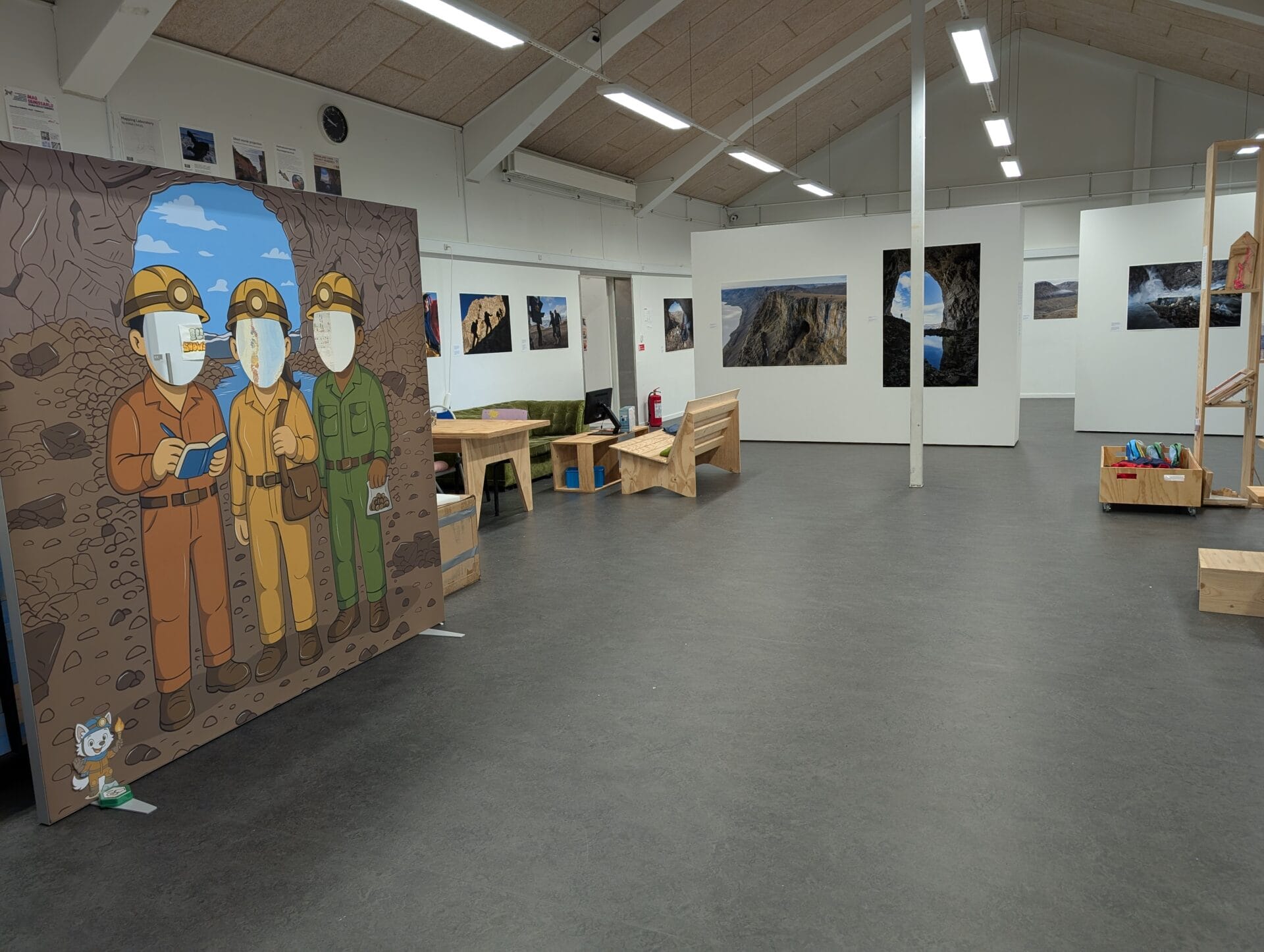
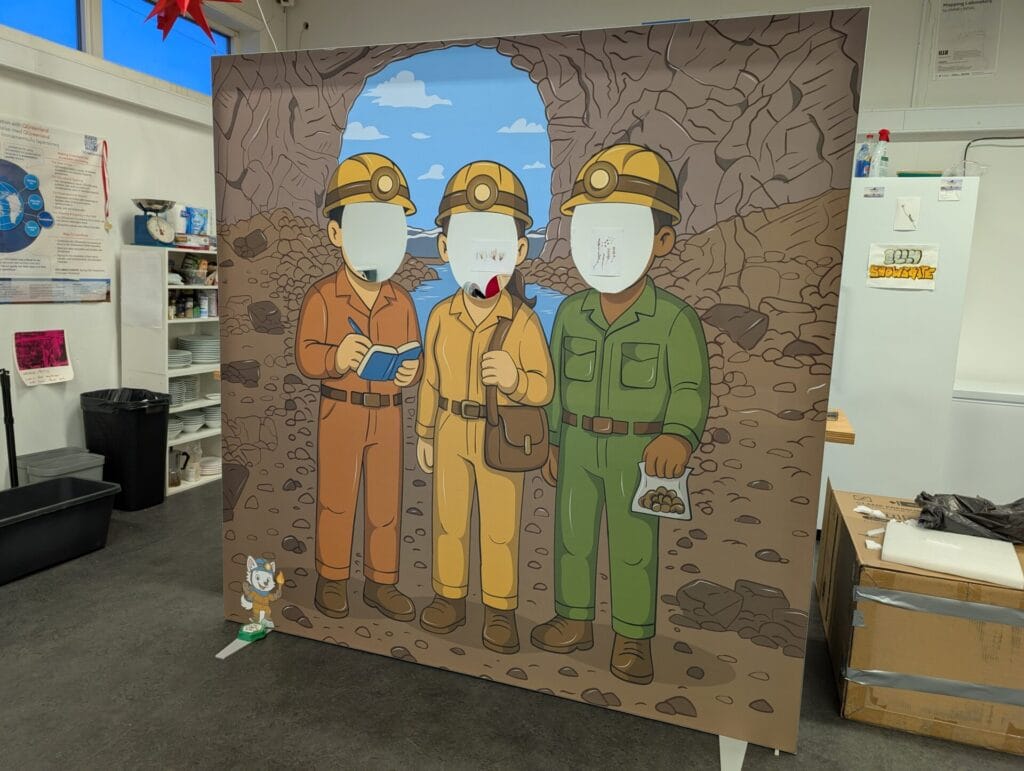
The exhibition explores cave research in northern Greenland (© Gina Moseley)
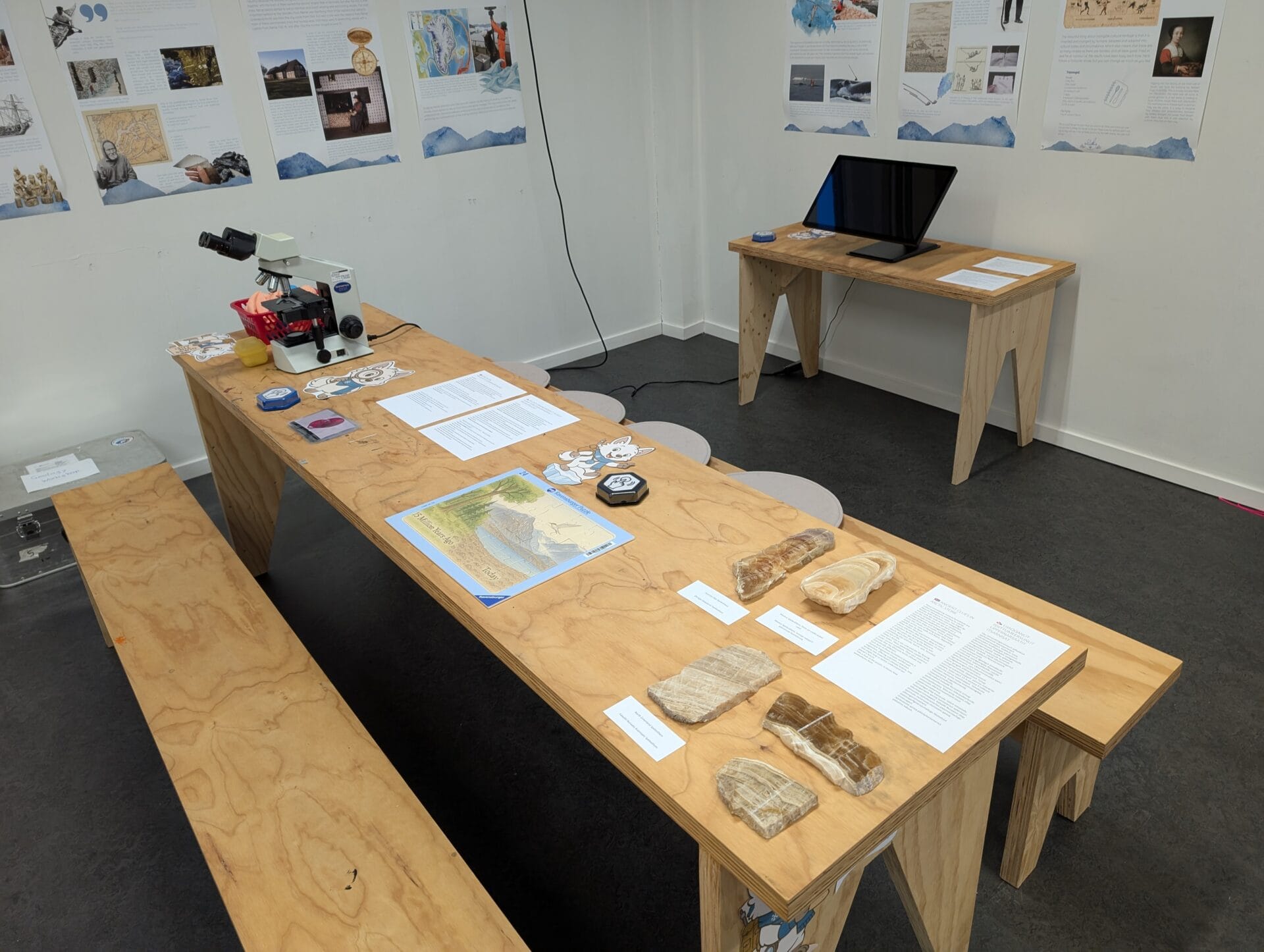
Interactive elements help for self-guided exploration (© Gina Moseley)
Follow Gina Moseley through the ILLU exhibition (© Greenland Caves Project)
Micro-Documentaries: Visual Storytelling as a Communication Tool
The KINDLE outreach strategy included the production of short micro-documentaries as a key component. These films in English, German as well as Greenlandic, documented research activities, landscapes and cave environments, offering audiences an immersive insight into the realities of cave and palaeoclimate research in northern Greenland.
The micro-documentaries – translated into German, English and Greenlandic – complemented the exhibition by contextualising scientific content and highlighting the challenges and significance of fieldwork in remote polar environments. As a visual storytelling format, they are particularly effective in conveying complex research processes in an accessible and engaging way. The films are a lasting communication resource and are available online to reach audiences beyond the local exhibition space.
Micro-documentary sample – A Geological Journey Through Time (© Greenland Caves Project)
Micro-documentary sample – Unveiling Earth’s Climate Secrets: Paleoclimate Research in Greenland (© Greenland Caves Project)
Workshops and Public Engagement
In addition to the exhibition and films, KINDLE offered participatory formats tailored to different audiences. Workshops for children focused on introducing scientific concepts in an age-appropriate and hands-on way, encouraging curiosity about caves, climate archives and geology.
For adult audiences, the programme included public presentations with extended Q&A sessions, as well as practical workshops introducing cave science and basic caving skills. These activities supported dialogue-based knowledge exchange and provided opportunities for deeper engagement with the research topics.
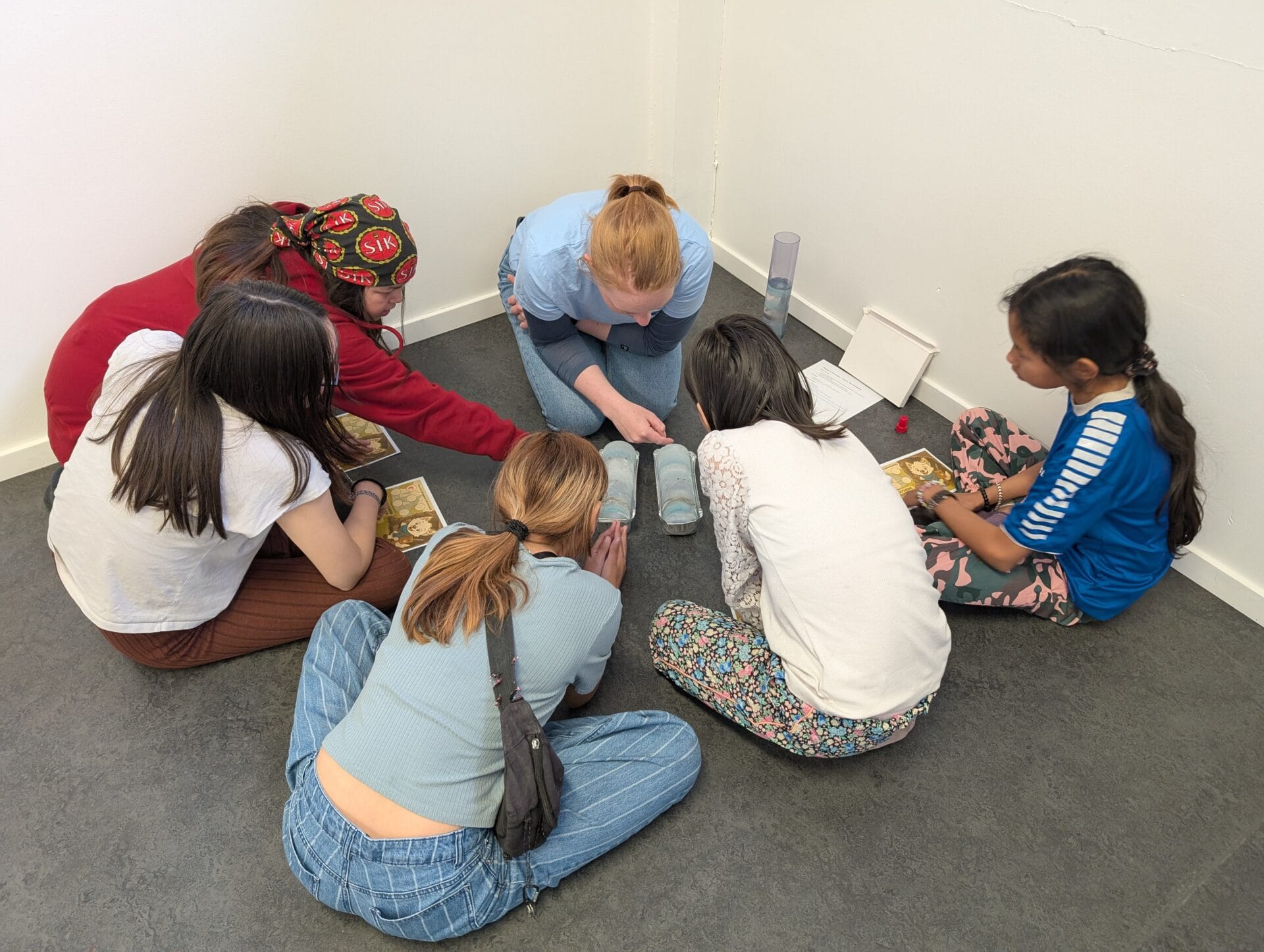
Workshops with and for children. (© Gina Moseley)
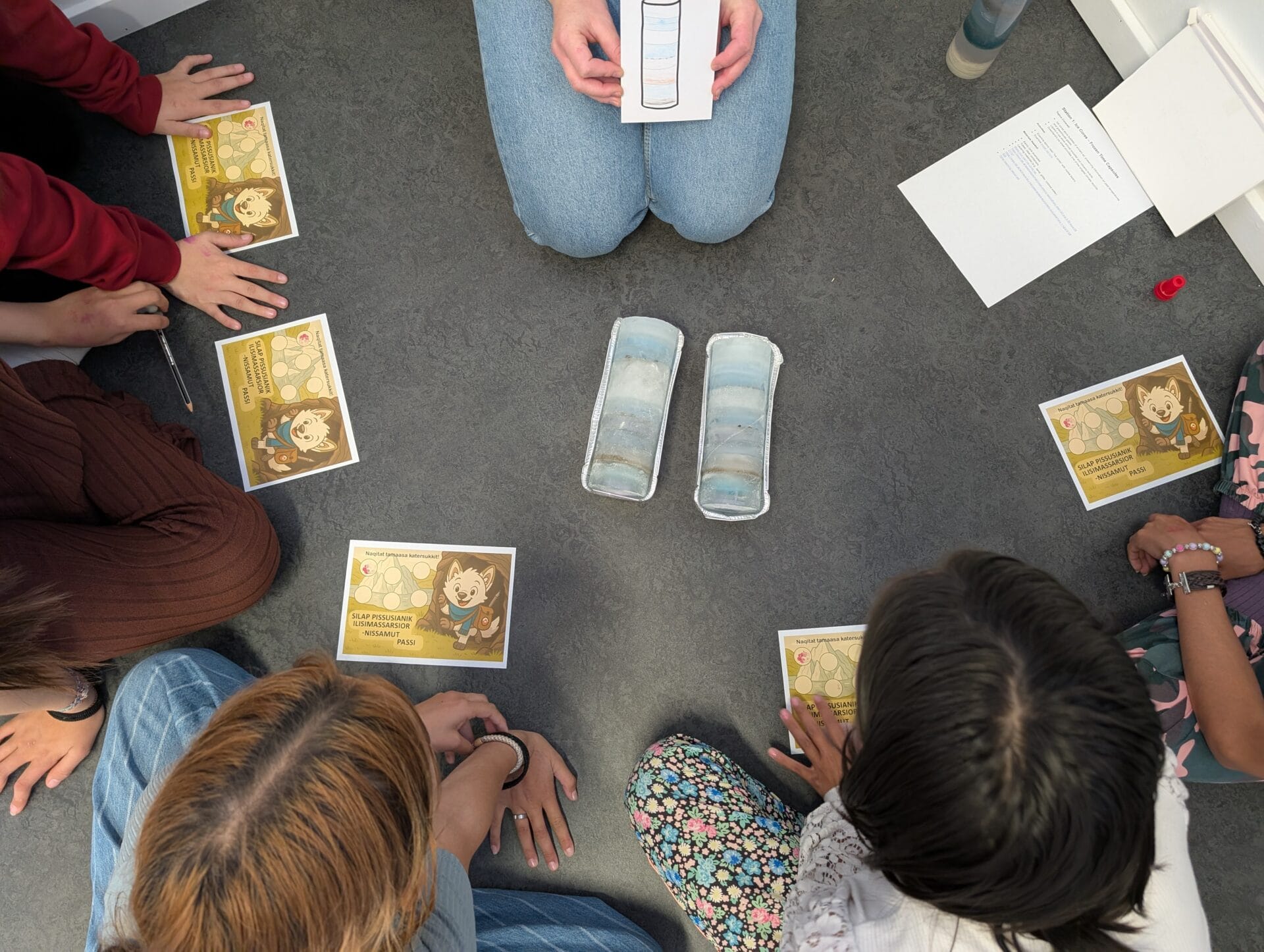
Providing an age-appropriate and hands-on introduction to scientific concepts. (© Gina Moseley)
Public Response and Outlook
The KINDLE activities reached a broad audience (~10 participants per workshop and between 10 and 30 exhibition-visitors per day) and generated strong interest, including during the Greenland Science Festival (14th of Nov 2025 with more than 100 visitors at our booth). The positive response highlighted the relevance of locally anchored and accessible science communication in polar research contexts.
KINDLE is intended as a starting point rather than a standalone initiative. The project demonstrates how long-term engagement, interdisciplinary collaboration and locally embedded outreach can strengthen the societal relevance of polar research and support future participation of Greenlanders in scientific exploration. The project leader Gina Moseley is now actively engaged in writing a future joint research proposal with Greenlanders whom she built a relationship with during the outreach project.
Media information
Written by Lena Kerstin Anders.
Layout by the APRI-Media Team.
Contact: use our contact form.
About the scientific author
Lena Kerstin Anders, currently working at the Arctic University of Tromsø, Norway.
Follow the project: Greenland Caves Website (KINDLE), Instagram & Facebook.
Access to the latest paper, films, publications & outreach.
Related articles
The KINDLE Project: Connecting Caves, Climate and Communities
Of Caves and Climate Changes