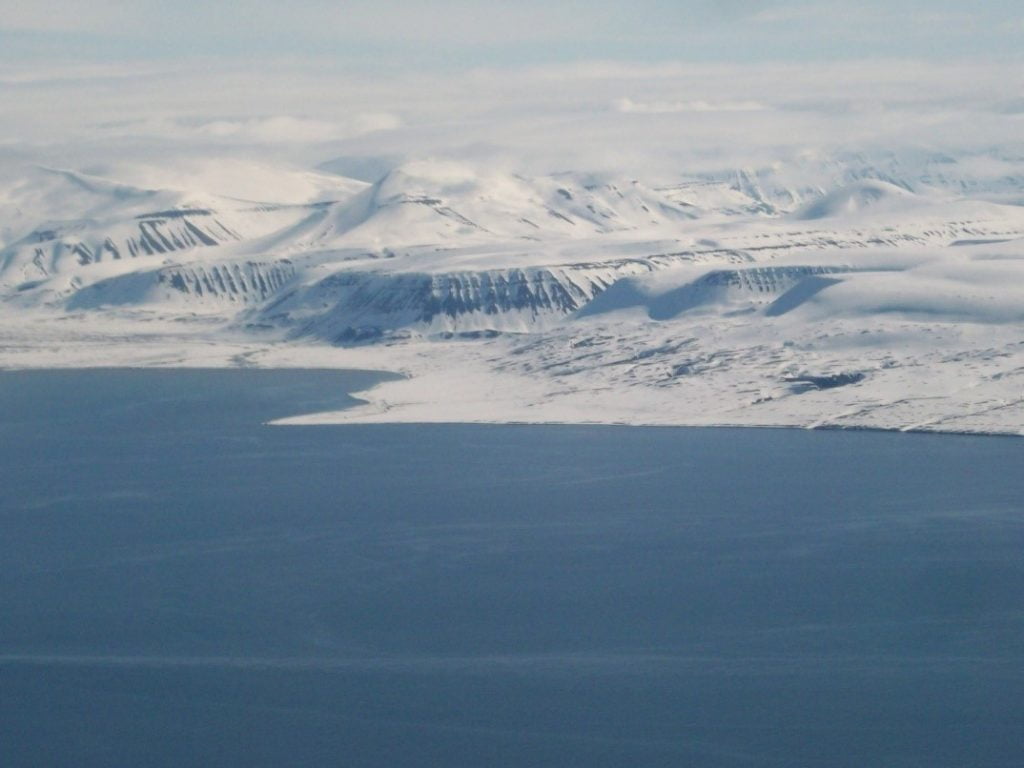

In this guest article, Professor Erik Henriksen of UiT (The Arctic University of Norway) discusses the importance of collecting scientific findings on the multifaceted impacts of climate change and effectively communicating them to decision-makers at both local and international levels.
It is a compilation of a presentation and a draft paper by Professor Erik Henriksen, which is to be published by the London Geological Society (GSL).
His study aims to explore the multifaceted impacts of climate change and to propose strategies for building a resilient society. Furthermore, it seeks to remind audiences, including policymakers, journalists, and the public, that climate is not static. Over geological time, it has undergone significant changes. A key question to address is the extent to which human activity during the Anthropocene has contributed to the rise in global temperatures over the past 50-100 years, and how we can adapt to these changes.
Climate Change – Impacts on the Maritime Sector
Although the examples in this study are from the Barents Sea region, they are relevant for most areas in the High North. Historically, the Earth’s climate has alternated between cold (glacial) and warm (interglacial) periods. This means that natural climate variability has existed over geological time, with human activities in the Anthropocene making a significant contribution to recent changes in the Earth’s climate.
Rising global temperatures are causing sea ice to melt at an increasing rate, which could lead to widespread ecological, economic, and geopolitical consequences. For instance, warming waters are altering fish migration patterns, which directly impacts local fisheries and the livelihoods of dependent communities. Additionally, algal blooms driven by human discharges into the sea and rising water temperatures may pose a serious ecological threat to coastal areas. A melting Arctic sea ice is opening new shipping routes, creating new business opportunities in the region. However, this development also raises concerns about environmental degradation, the risk of accidents, and potential conflicts. Nations are competing for control over newly accessible resources and shipping lanes, complicating international cooperation on climate and environmental action.
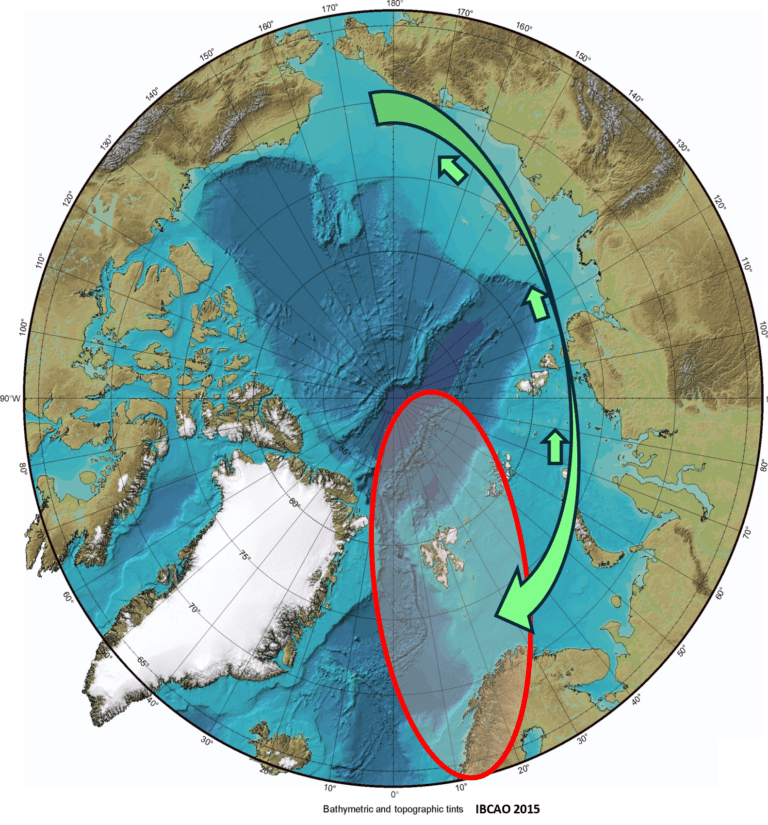
The Arctic Ocean without its sea ice highlights the emerging seaways for marine transport (North-East Passage indicated by arrows). Increased maritime activity in this region will necessitate enhanced preparedness in the Arctic, the Barents Sea, and along the Norwegian coast. The opening of these seaways will have significant impacts on the environment, general tanker traffic, military operations, tourism, the fishing industry, and local business opportunities. (© Figure modified from the IBCAO map, 2015)
Furthermore, the thawing permafrost in surrounding areas is releasing methane, a potent greenhouse gas, which exacerbates future climate change. Addressing these interconnected challenges requires robust international collaboration to balance economic interests with environmental protection.
The geopolitical landscape, along with frameworks such as the United Nations Convention on the Law of the Sea (UNCLOS), plays a critical role in managing these pressures and ensuring sustainable development in the region.
The new Arctic Sea routes are likely to emerge, leading to significantly increased marine traffic. While this presents new business opportunities, it also places pressure on security and preparedness in the region.
“Rising global temperatures are causing sea ice to melt at an increasing rate, which together could lead to widespread ecological, economic and geopolitical consequences”
Erik Henriksen
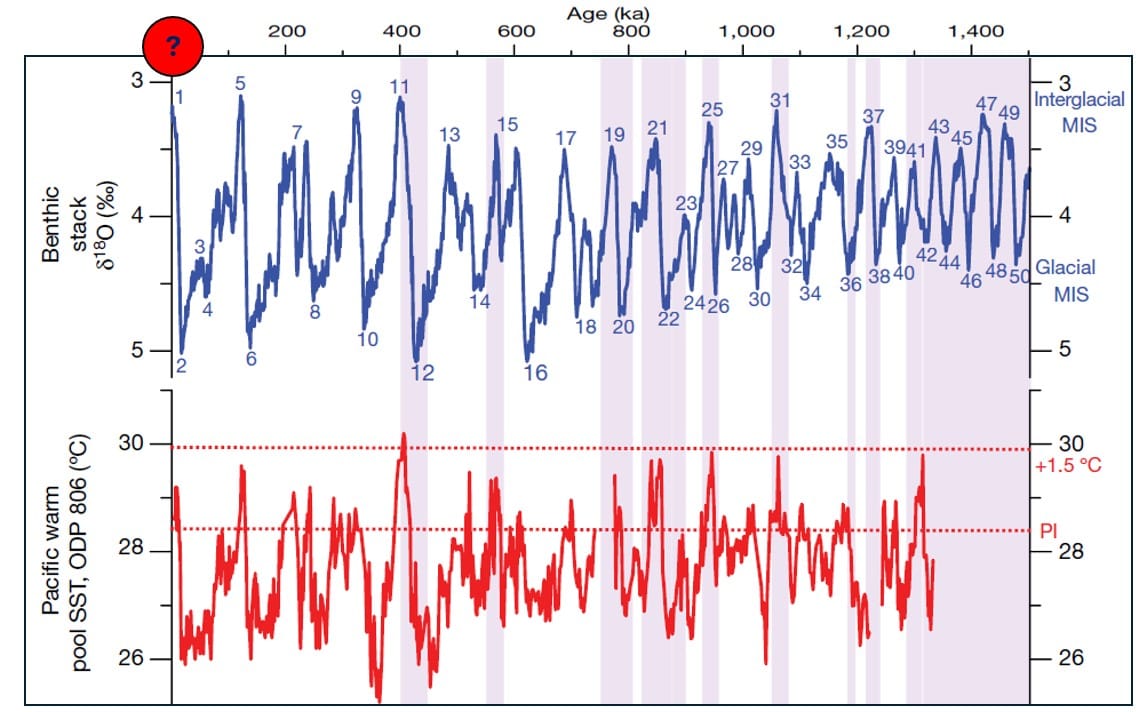
Figure illustrating temperature oscillations over the past 1.5 million years, highlighting a 100,000-year cycle between glaciation and interglaciation periods. MIS represent the Marine Isotope Steps (O18 / O16). PI indicate the average pre-industrial temperature and the abbreviation +1,5 OC shows the temperature level 1,5 OC above the pre-industrial level. The data indicates that we are currently at the peak of a warm period. Interesting to notice that earlier interglacial, for example Eem interglacial indicate similar temperature range as present or even warmer around 120 000 YBP. A close corelation with the Pacific warm indicate similar trends. (© Adapted from Vaks et al. (2020), published in Nature)
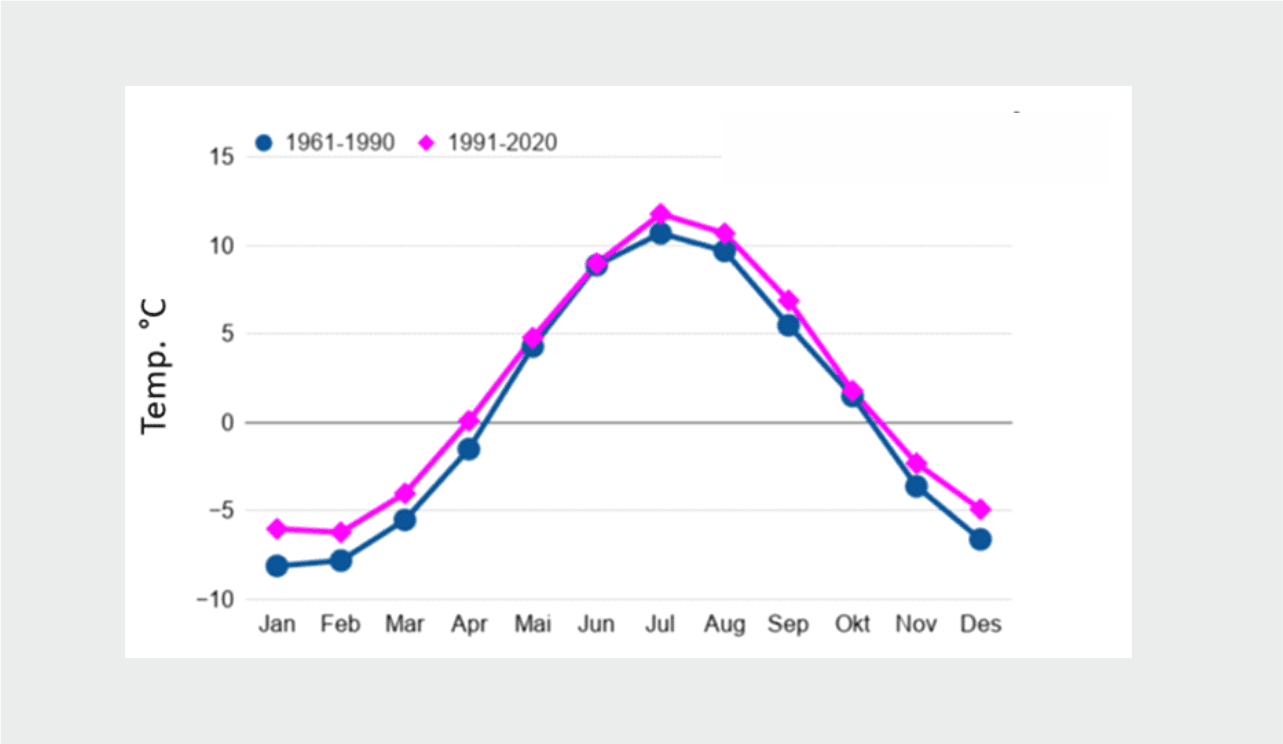
Recent observations by the Norwegian Meteorological Institute indicate that the average annual temperature in Norway has increased over the past two decades compared to the period from 1960 to 1990 . Additionally, the the precipitation levels increased during winter and spring in Norway but decreased in autumn over the same two-decade period. (© Norwegian Meteorologic Institute)
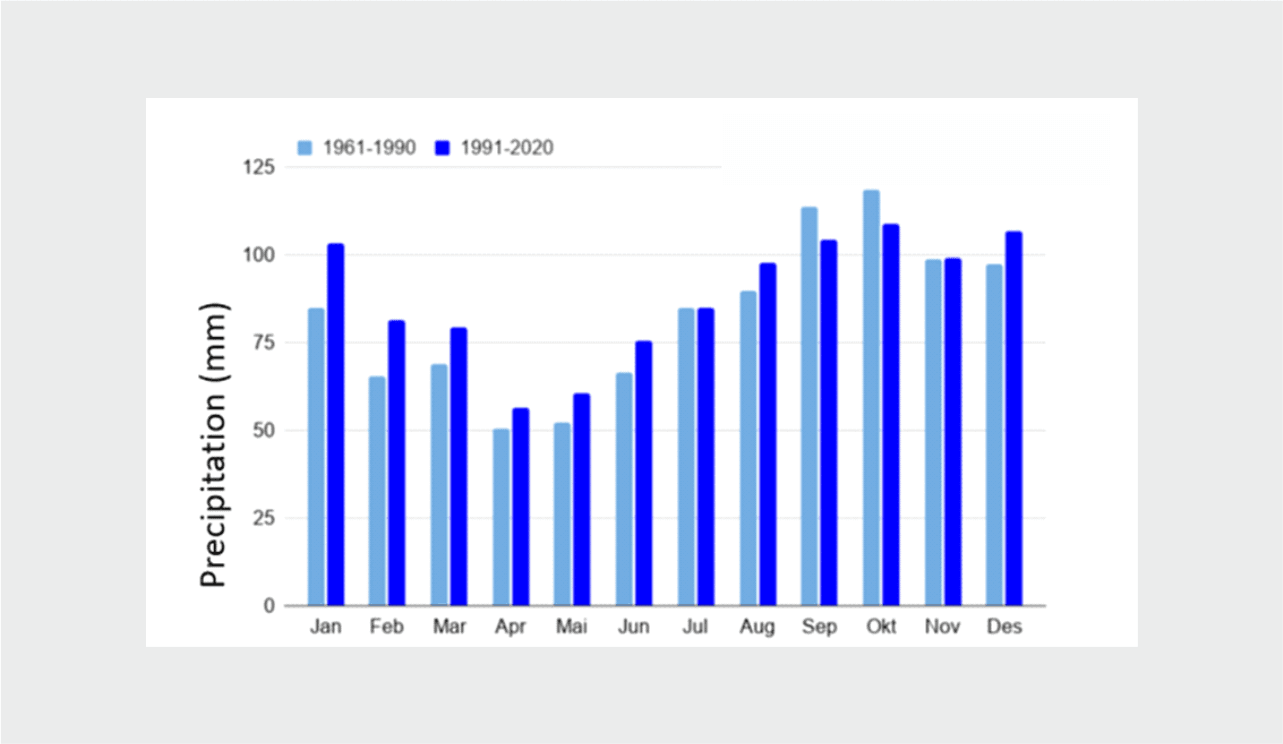
Recent observations by the Norwegian Meteorological Institute indicate that the average annual temperature in Norway has increased over the past two decades compared to the period from 1960 to 1990 . Additionally, the the precipitation levels increased during winter and spring in Norway but decreased in autumn over the same two-decade period. (© Norwegian Meteorologic Institute)
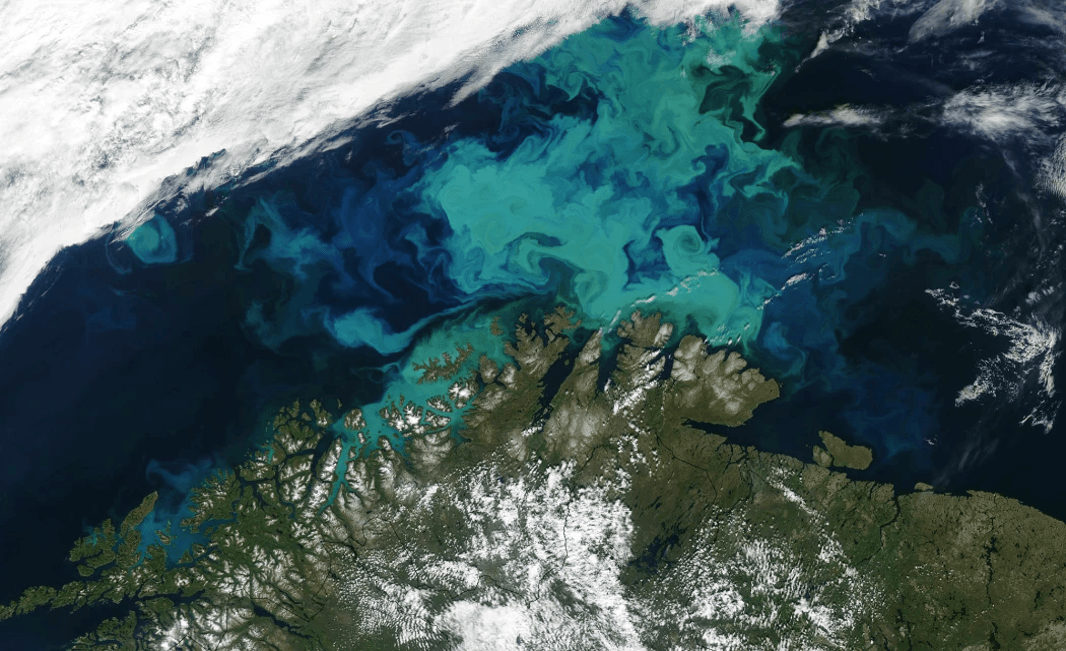
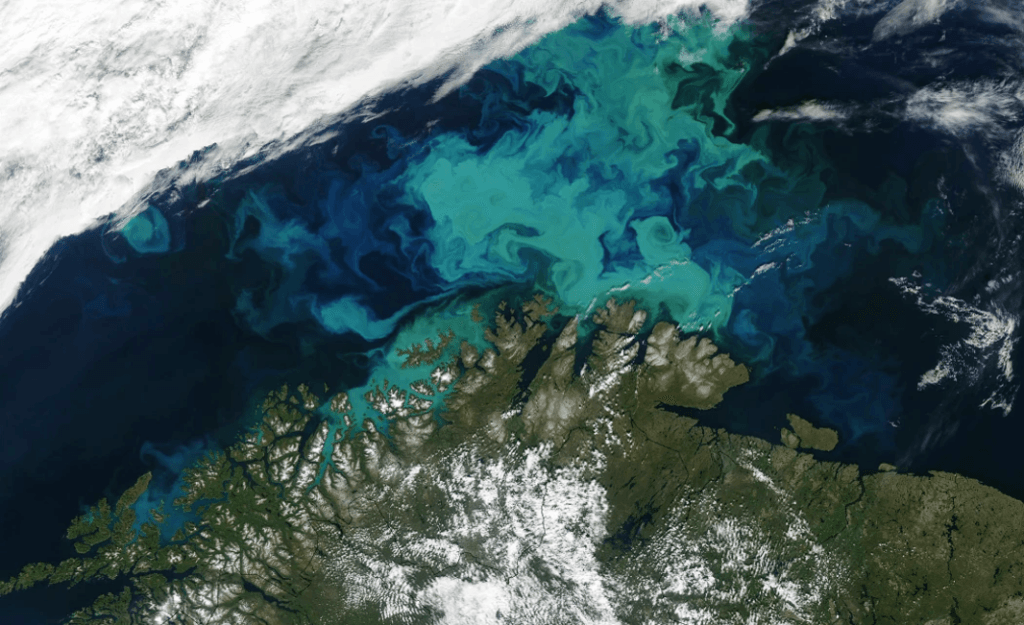
An important negative effect of a warmer climate and anthropogenic discharges into the sea is the increased frequency of algal blooms (green colour), which significantly impact the local ecology and industry. The figure illustrates examples from the southern Barents Sea, where an estimated 12,000 tons of fish perished. (© Morten Smelror, 2019 Forskersonen.no. earthobservatory.Nasa.gov).
Key considerations include:
- Coexistence and surveillance of various business players together with military activities.
- Upgraded management plans and regulations for the petroleum industry, fisheries, and tourist ships, ensuring compliance with international laws like UNCLOS.
- Addressing risks posed by unregistered ships without insurance, which threaten both the environment and safety in the High North
- Enhanced surveillance of the maritime activities
- Implementation of effective preparedness actions, by well-structured plans for continuous follow-up
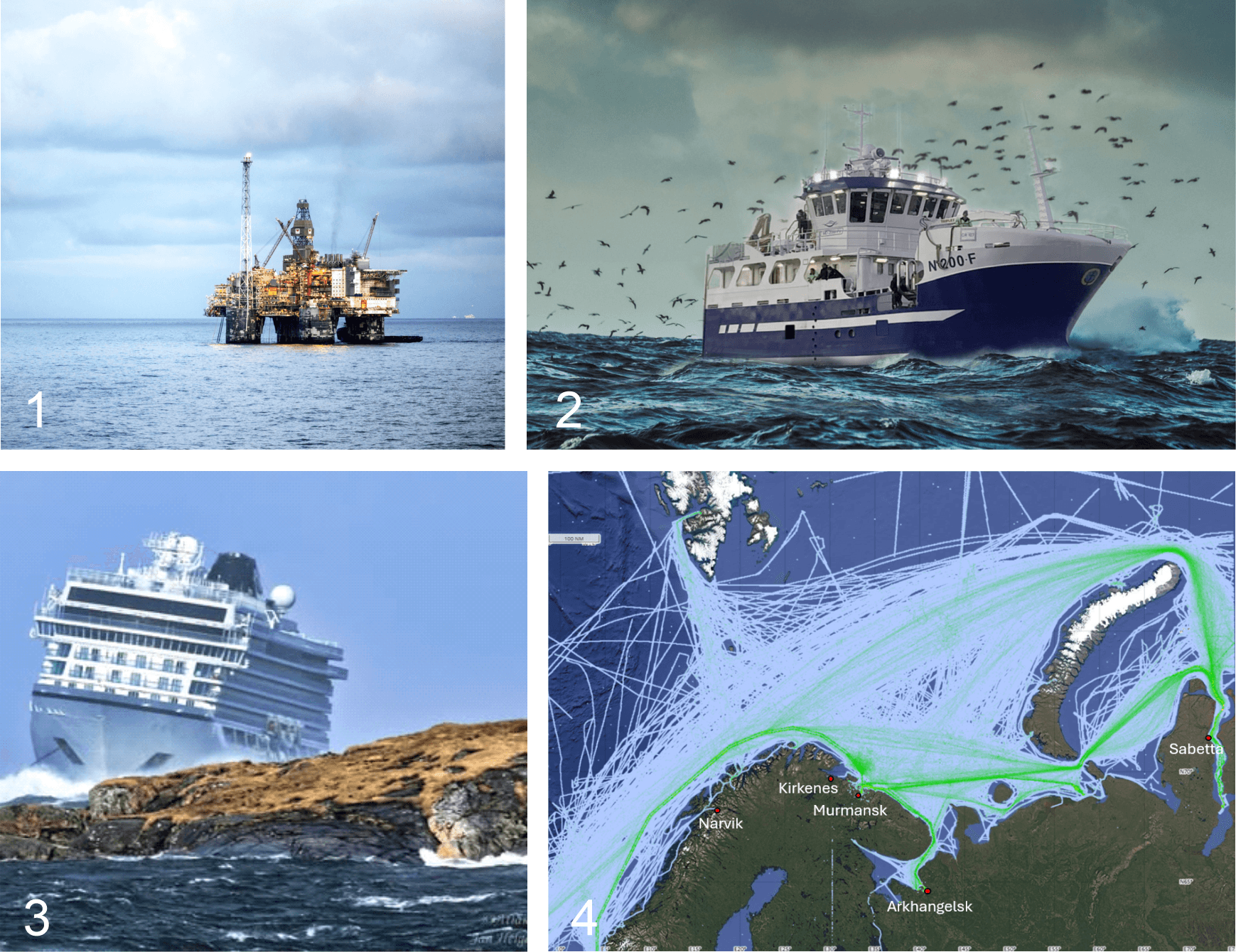
Examples of coexistence between different industries and the need for traffic surveillance along the Norwegian shelf: Currently more than 90 offshore petroleum installations are located along the Norwegian Shelf (1), exemplified by the Heidrun production platform (Photo: Elisabeth Sahl & Lizette Bertelsen 2025 © Equinor). Additionally, a large fish farming industry and high fishing activity (2) exist along the coast (Foto: Moen Marine AS). The Arctic region has also seen an increase in cruise ship traffic (3), illustrated a near catastrophic event at Hustadvika Norway where a cruise ship carrying approximately 1400 persons almost stranded (Foto: Jan Helge Birkelund). With opening of seaways in the Polar Arctic, a significant rise in marine activity is anticipated. Figure 4 (prepared by Emil Kofoed fiskeridirektoretet.no) illustrate the tanker traffic in the region. Light blue colour represents total tanker passages 2024/2025, while green tracks indicate areas of higher shipping activity in the same period primarily involving oil / gas tankers and some chemical tankers.
Climate change and its impacts on onshore avalanches, landslides and society
Climatic changes and local weather conditions significantly affect onshore avalanches and landslides. Factors such as temperature fluctuations, increased precipitation, and human activities contribute to the instability of rock, soil, and snow masses. This instability often leads to frequent snow avalanches, rockfalls, landslides, and floods in areas connected to elevated regions such as the Alps and the mountain ranges of Norway, causing injuries and property damage.
Moreover, changes in climatic conditions have also led to a rise in wildfires, not only on a global scale but even in Arctic regions. These environmental challenges highlight the urgent need for improved regulations, effective knowledge dissemination, and enhanced preparedness measures to build a more resilient society.
The scientific community plays a crucial role in communicating security- and preparedness-related insights to policymakers and decision-makers. Ensuring that decisions are grounded in scientific knowledge is essential for addressing these pressing issues effectively.
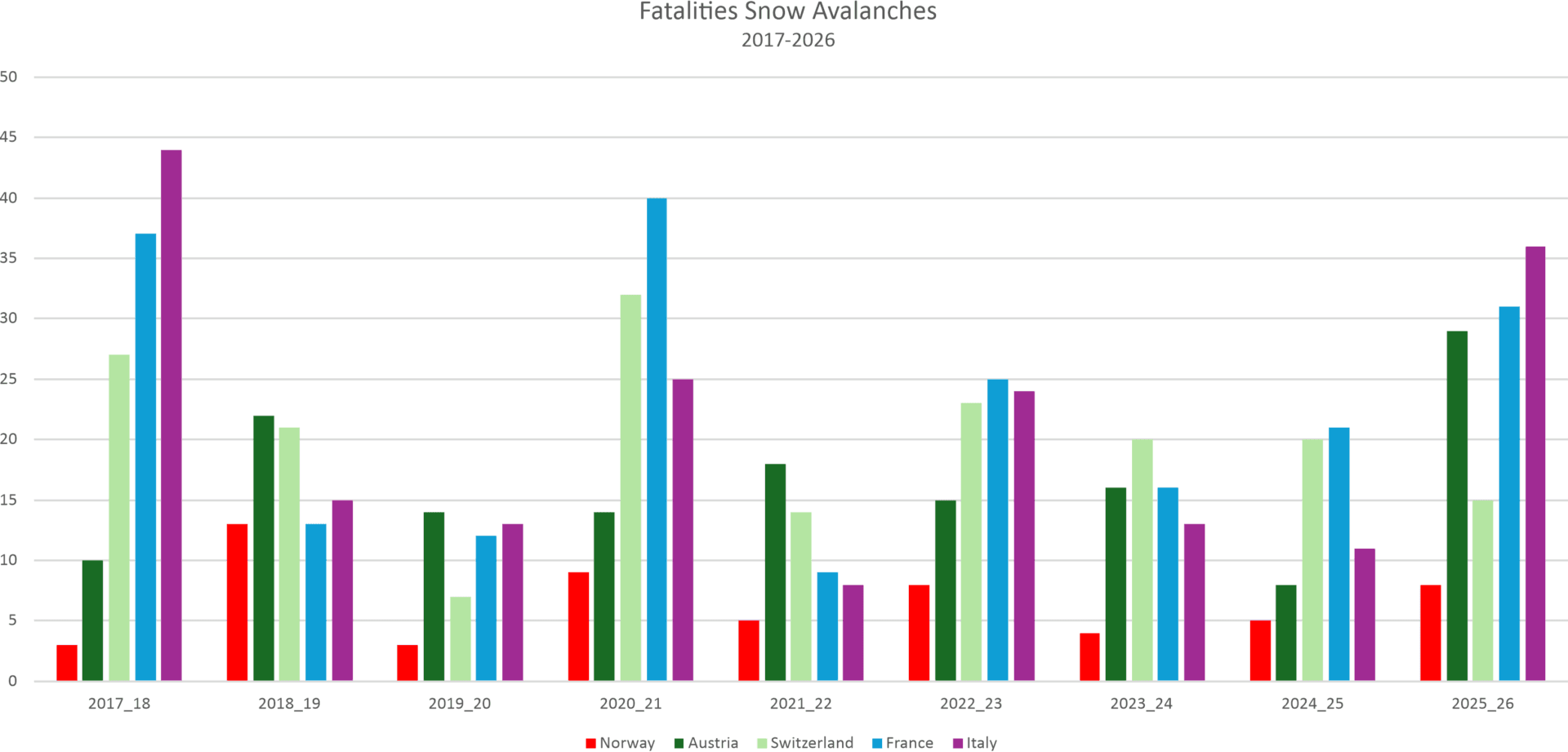
Fatalities caused by snow avalanches in Norway compared to the European Alpine countries. The high death rate in the Alps may reflect a higher number of skiers in the area compared to Norway. There seem to be no clear trend to indicate a reduction of fatalities in the period, In the period 680 person was affected by avalanches in Norway but survived in the same period. Numbers from EAWS and NVE Varsom.no.
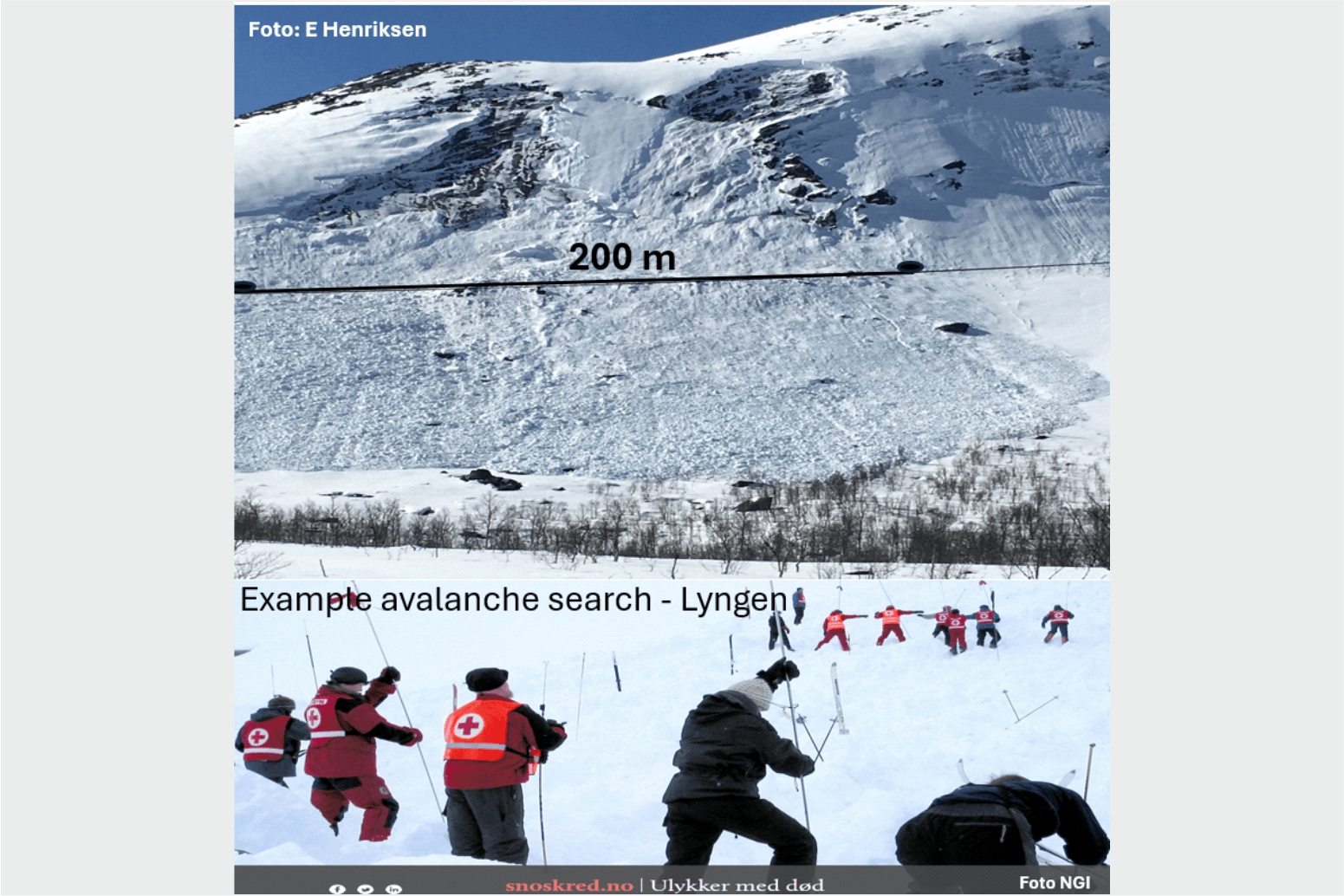
Example of snow avalanche that seem to be more frequent based on a changing climate and increased off-piste skiers / tourists in the mountain ranges. Better information, knowledge and stricter regulation of certain areas must be considered. (© Erik Henriksen 2023, and rescue operation from NGI, snøskred.no.)
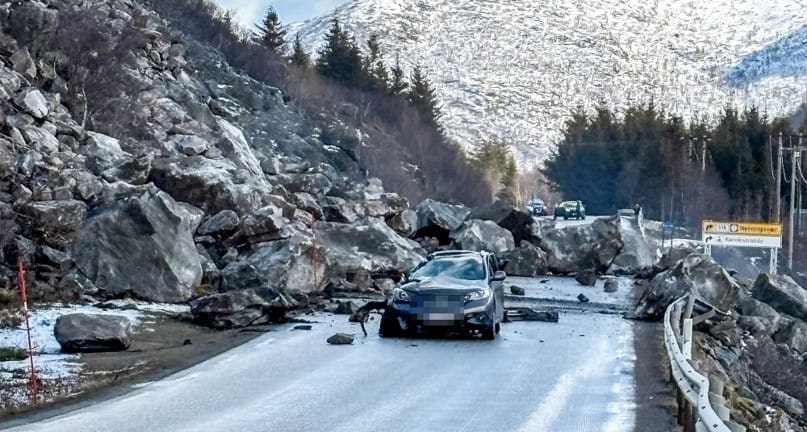
More frequent rock falls in steep terrains seen in Norway threatens local inhabitants, transport and local businesses. In some areas local communities can be totally isolated. Luckily there were no fatalities in this rock fall in Lofoten Norway 2025. (© Nordland Police district Norway)
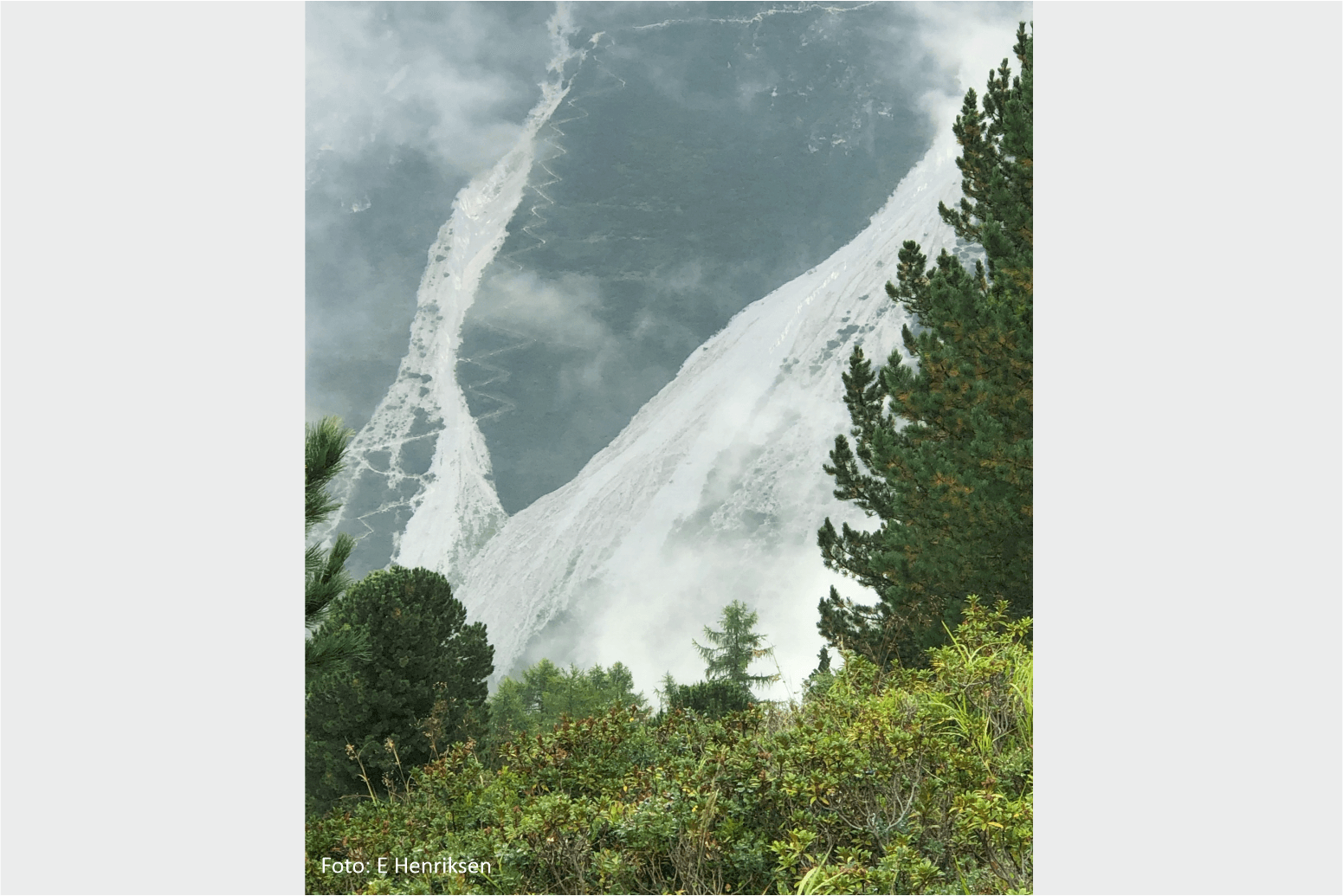
Analogue study of large landslides/ rock fall has been studied in the Austrian Alps, Stubatal and Gschnitz areas 2025. Avalanches reach all the way to residential areas threatened the inhabitants. (© Erik Henriksen 2025)
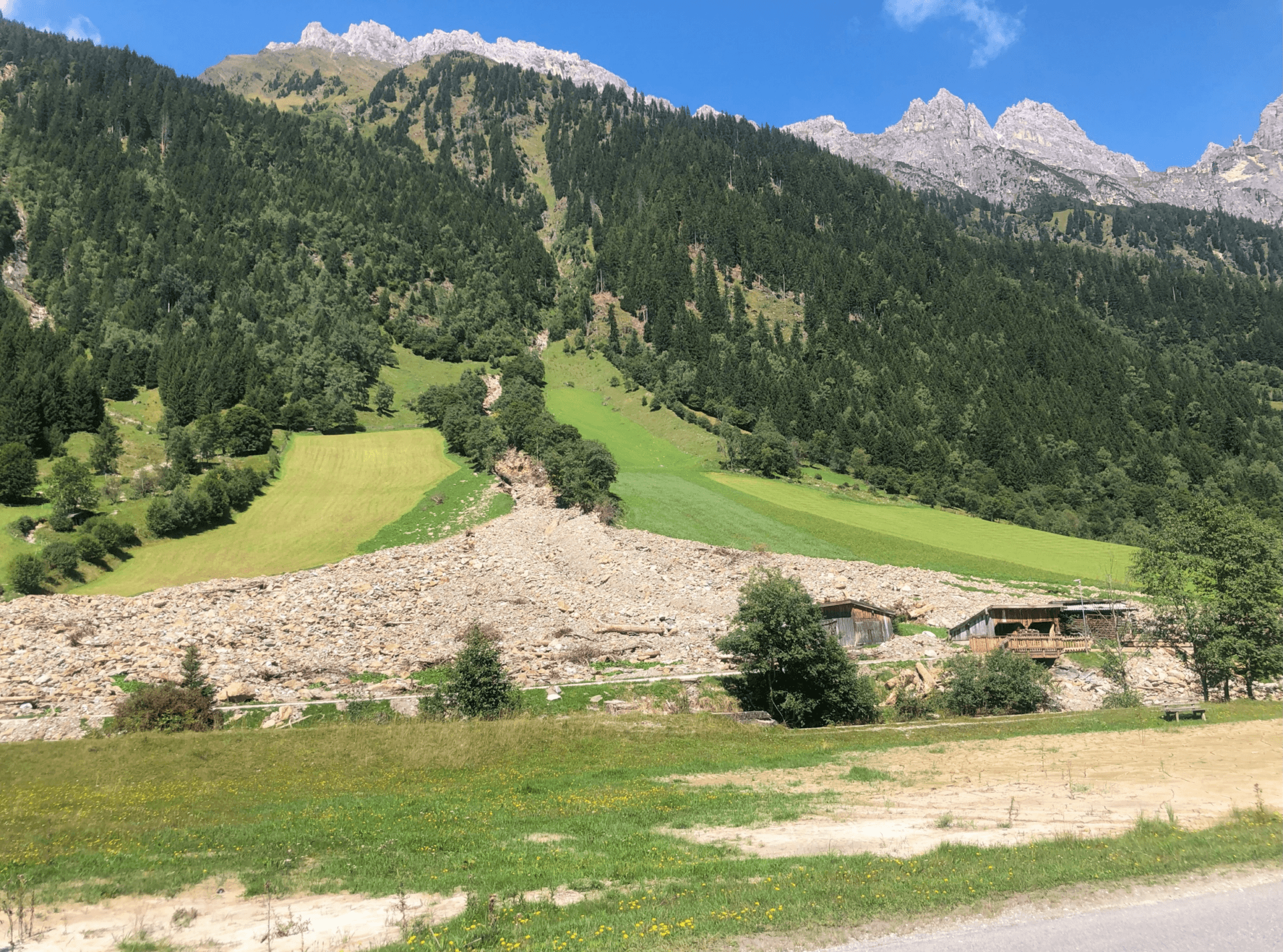
Analogue study of large landslides/ rock fall has been studied in the Austrian Alps, Stubatal and Gschnitz areas 2025. Avalanches reach all the way to residential areas threatened the inhabitants. (© Erik Henriksen 2025)
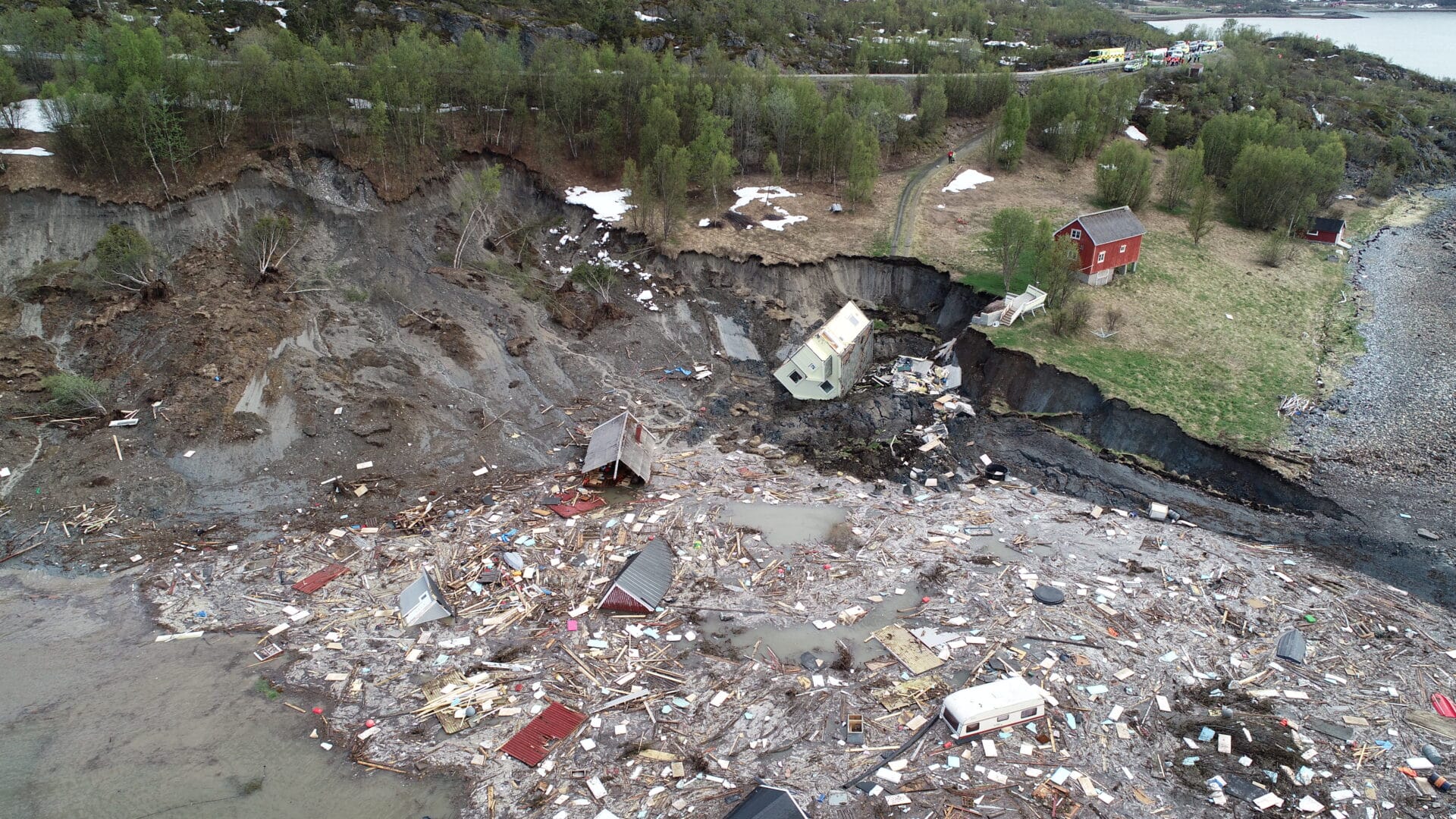
The picture shows an example of quick clay landslides which can be observed in the remains of marine clay deposited during the last Ice Age. The dilution of salt within the clay, caused by freshwater from rainfall and erosion, destabilizes its structure. This instability, when combined with increased human activity, can cause the clay to become “quick,” meaning it behaves like a fluid, even on flat terrain. The quick clay landslide example at Kråknes in Alta, Norway 2020 illustrate how 900,000 m³ of clay masses moved into the sea. Fortunately, no people were injured in this event. (Photo: Anders Bjordal, NVE).
Climate Change Adaptation and Management
Natural climate variability, significantly exacerbated by continued human activities such as greenhouse gas emissions and deforestation, is claimed by many scientists to be nearing a critical “tipping point”, impacting most regions across the globe (IPCC). The Arctic region, in particular, has undergone substantial geopolitical shifts due to the melting sea ice, which has opened up new potential shipping routes through the polar Arctic, including the the Northeast and Northwest Passages.
In the Barents Sea region and along the Norwegian coastline, the diverse maritime industries and military activities occupying offshore areas have already heightened the risk of adverse incidents. Similar challenges may arise in other Arctic regions as well.
To address these risks effectively, it is crucial to strengthen international regulations and foster cooperation, promote transparency in offshore activities, and enhance surveillance systems. These measures will support informed, research-based management decisions and help mitigate the potential consequences of these changes.
There seems to be a general acceptance in the scientific community (IPCC, AGU Letters, Hald 2009, Jansen et al. 2020, Carruthers et al. 2026 and others) that we are facing an environment with warmer, wetter and windier weather conditions in the Arctic. Retreating glaciers in the mountain ranges of Norway and Europe are among the most evident markers of higher average temperatures. This has several consequences:
- Increased pressure on Arctic environment and ecosystems
- The need for stronger international regulations and thrust-building measures
- Heightened risks of avalanches, landslides, floods, and other natural disasters, leading to injuries and property damage
- Hydropower: Glacial retreat impacts water table and water supply for electricity generation
- Effects on tourism: Changes in local temperatures impact landscapes, snow conditions and ecosystems disrupt the tourism industry
- The necessity for well-structured management plans, effective regulations, and enforceable international cooperation.
Key Questions Regarding Climate Change
- Has the climate passed the “irreversible tipping point”?
- Are we heading toward a new ice age, based on glacial cycles over geological time?
This study highlights the urgent need for international collaboration, evidence-based regulations, and proactive preparedness to address the challenges posed by climate change in the Arctic and beyond.
Acknowledgment:
I would like to express my gratitude to the individuals and institutions who kindly granted permission to use their photos and figures as illustrations in this paper, helping to highlight the various serious threats that climate change poses to society. I would like to thank Peter Schweitzer and Birgit Sattler for inviting me to the APRI general assembly. Many thanks to Christoph Rusham and Iris Hansche APRI for organizing the manuscript compilation to the Austrian Polar Research Institute standard.
Reference List:
Brian Buma, Peter C Frumhoff, Stavroula SartzetakisSusan Natali, Alice Alprt, Josep Gili Canadell, Werner Kurtz, Emily Ury, Irene F Creed, Sara Knox, Zhen Zhang, Steve Hamburg, Brendan M Rogers, Christina Schaedel, Carly Phillips, Matti Goldberg, Kate Dooly, Carlos Afonso Nobre, Shs el Bandal, Meredith Holgerson, Pascal Badiou Benjamon Poulter AGU 2025, Warming-induced emissions solutions: Strategies for research and mitigating indirect human emissions from ecosystems. https://agu.confex.com/agu/agu25/meetingapp.cgi/Paper/1898864
Carruthers, J. G., Fowler, H. J., Bannister, D., & Guerreiro, S. B. (2026). Climate models tend to underestimate scaling of UK mean winter precipitation with temperature. Geophysical Research Letters, 53(3), e2025GL118201.
Hald, M. (2009). Past climate change and perspectives for archaeological research: Examples from Norway, Svalbard, and adjoining seas. Arctic Anthropology, 46(1-2), 8-16.
IPCC reports 2023, AR 6 Synthesis Report: Climate Change 2023. https://www.ipcc.ch/report/sixth-assessment-report-cycle/
Jansen, E., Christensen, J. H., Dokken, T., Nisancioglu, K. H., Vinther, B. M., Capron, E., Guo C., Jensen MF., Langen P.L., PedersenR.A., Yang S., Bentsen M., Kjær H.A., Sadatzki H., SessfordE., & Stendel M. (2020). Past perspectives on the present era of abrupt Arctic climate change. Nature Climate Change, 10(8), 714-721.
Meteorologic Institute of Norway 2021, https://www.met.no/vaer-og-klima/ny-normal-i-klimaforskningen.
Vaks, A., Mason, A. J., Breitenbach S. F. M., Kononov, A. M., Osinzev, A. V., Rosensaft, M., Borshevsky A., Gutareva O.S., & Henderson, G. M. (2020). Paleoclimate evidence of vulnerable permafrost during times of low sea ice. Nature, 577(7789), 221-225.
Medieninformation
Written by Dr. Erik Henriksen
Sentence and layout by the APRI Media Team.
Contact: Please use our contact form.
Photos: © as indicated in the captions; cover image: earthobservatory.nasa.gov
About the author
Erik Henriksen Erik Henriksen is a professor at the Department of Technology and Safety at UiT – The Arctic University of Norway
Ähnliche Artikel
Climate Change and Adverse Incidents in the Arctic