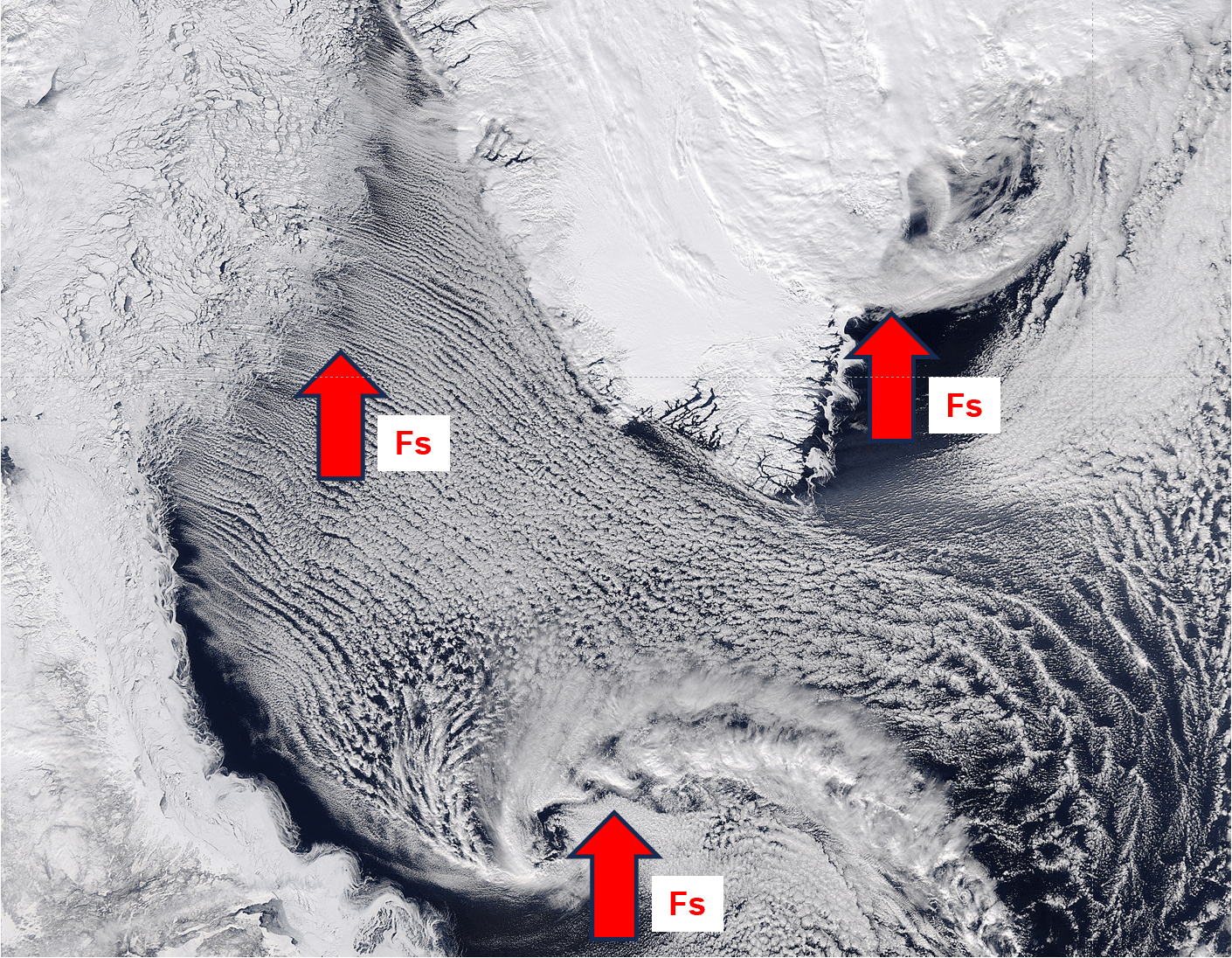
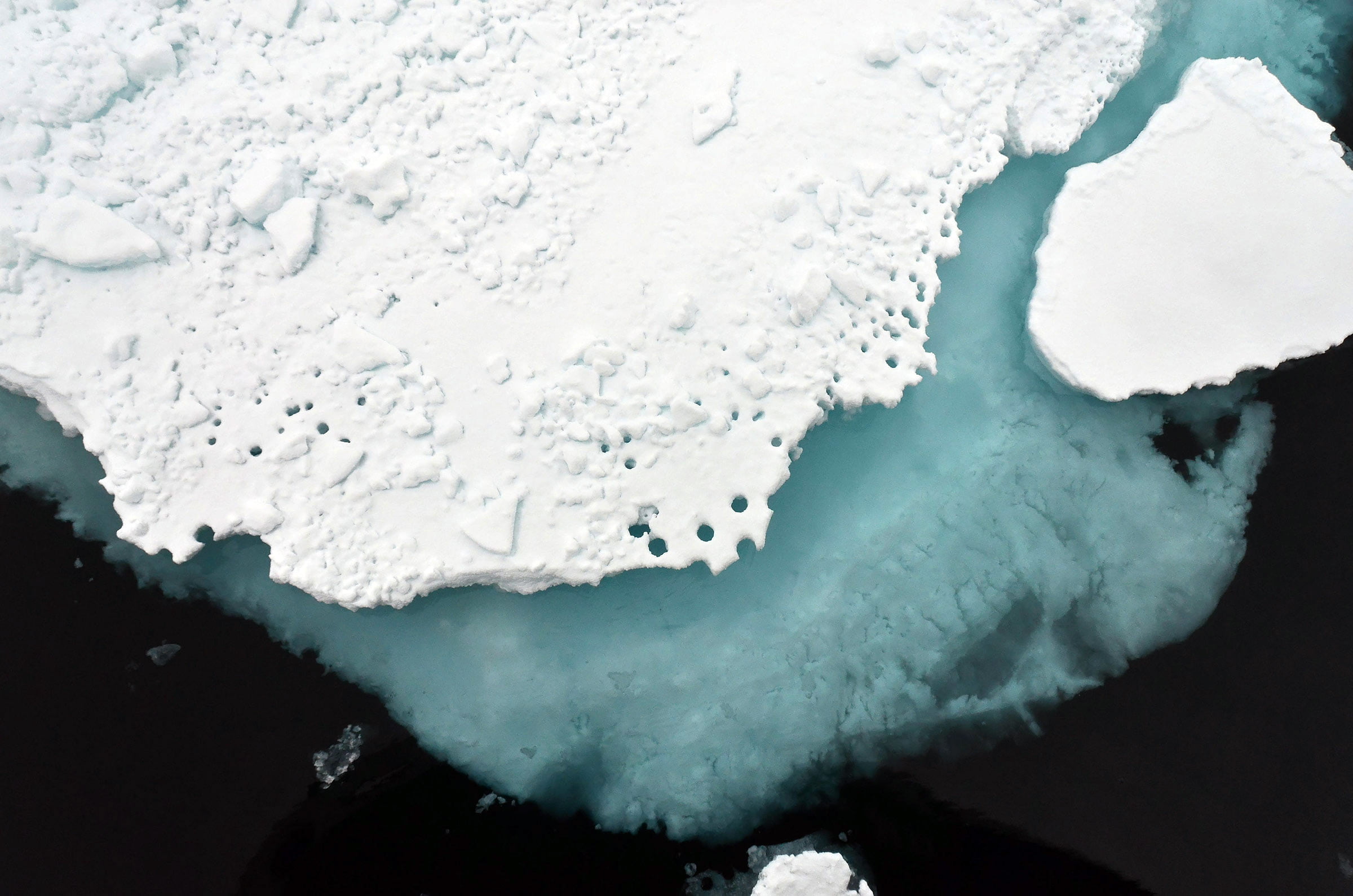
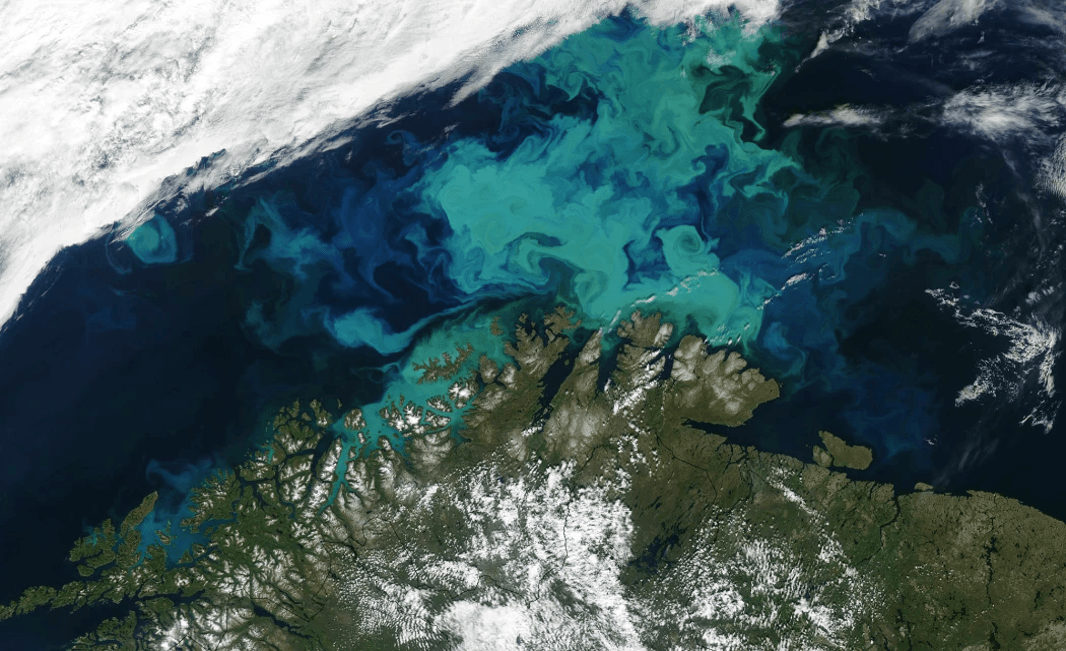
The polar caps can be compared with a fridge – energy is constantly extracted from them due to radiation to space and replenished with heat from lower latitudes. Only a slight imbalance between the fluxes is already sufficient to cause…
Our study examines the key risks associated with Arctic permafrost thaw, which not only contributes to global CO2 and methane emissions but also has direct, widespread impacts on around three million residents living in vulnerable Arctic regions. Thawing permafrost can…
Polar fieldwork is essential for understanding our changing climate, but it still presents significant challenges for women. The blog post highlights these issues, from poor team dynamics and exclusion to inadequate preparation for personal needs like hygiene. Many women reported…
The photographer and limnologist Klemens Weisleitner currently works at the Department of Ecology at the University of Innsbruck. His research has led him to remote regions in the Arctic and Antarctic. In a fascinating multimedia lecture, he provided insights into…
APRI members Klemens Weisleitner and Birgit Sattler (University of Innsbruck) joined a scientific expedition team to study the impact of a glacier on a unique Antarctic lake ecosystem. A glimpse behind the scenes of the Antarctic expedition that led to…
The large landslide in the form of a frozen debris avalanche occurred on June 13, 2021, at 04:04 a.m. local time in West Greenland on the southern coast of the Nuussuaq Peninsula near Assapaat, opposite Disko Island. Location of…
As part of the project ACT-RG (An active rock glacier in West Greenland – Deciphering its structure and landform evolution), the researchers Andreas Kellerer-Pirklbauer, Felix Bernsteiner and Jakob Abermann from the Institute of Geography and Regional Science, University of Graz,…
APRI Mitglied Andreas Richter berichtet in einem Interview mit uni:view über die Folgen einer Politik und Gesellschaft, die nur das Allernötigste unternimmt, um den Klimawandel einzubremsen. Die Erwärmung des Klimas lässt sich besonders gut an den Veränderungen des Permafrostes beobachten.…
This site uses Statcounter to analyze and understand visitor navigation paths. We take user privacy serious and don’t attempt to identify an individual person. Only anonymized data are retrieved with focus on what visitors to this website do, not who that visitor is. We do not store and/or process personal data of any kind and thus fully comply with the GDPR.